Updated 4 min read
Fiber, Cable, 5G or Starlink? Choosing Business Internet for Your Office
The short answer
If fiber reaches your building, it's usually the best main line for an office, because uploads are as fast as downloads. Cable is the most widely available and a good main line or backup. Dedicated fiber is for offices that can't tolerate slowdowns, 5G makes an excellent automatic backup, and Starlink fills the gap where nothing wired is good.
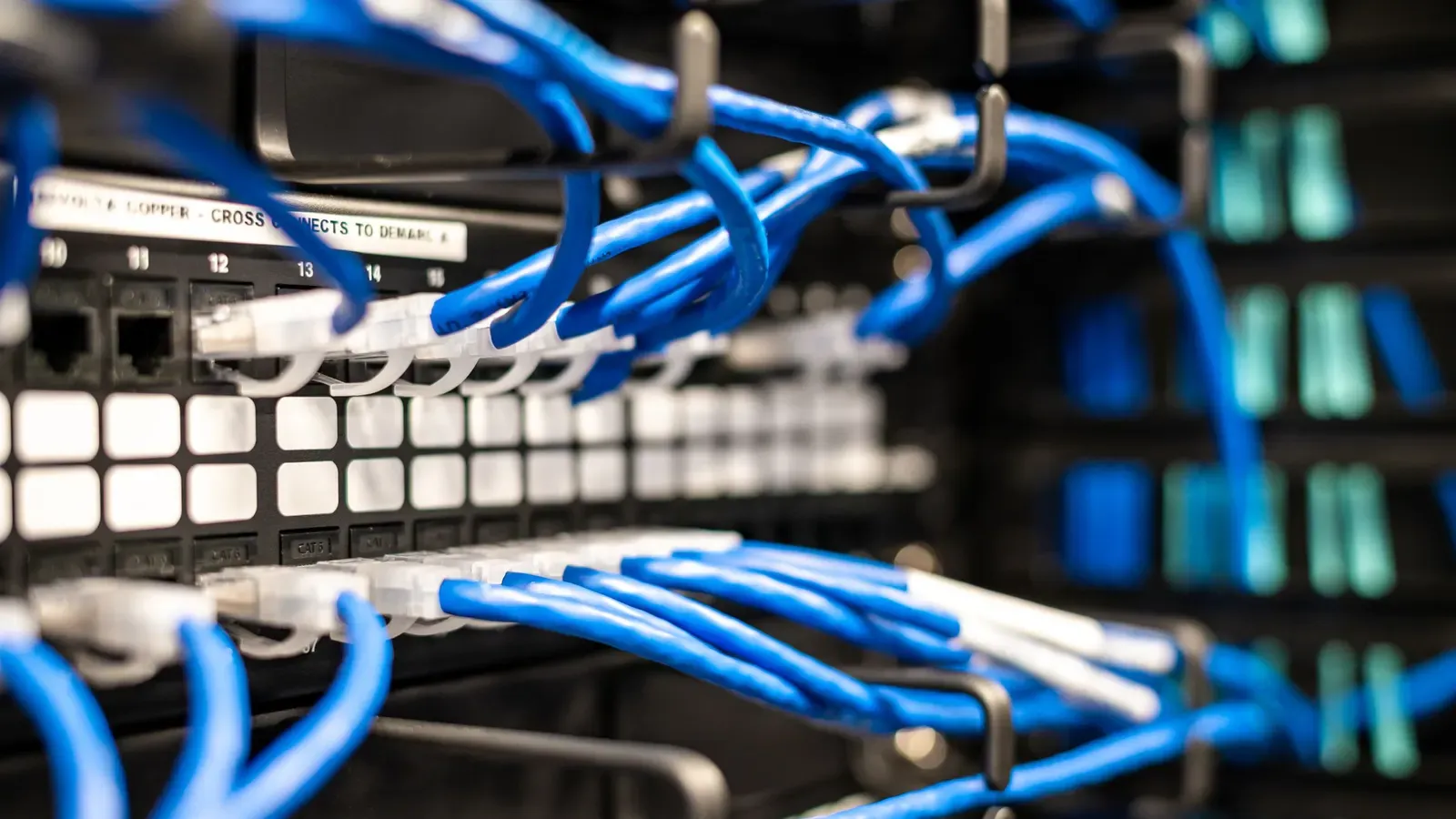
Most offices pick their internet the way they pick a parking spot: whatever was there when they moved in. That works until the day a video call freezes in front of a client, or a large file takes the whole afternoon to upload, or the line goes down and nobody knows who to call.
The choice matters more than it used to. Phones, the practice management system, the tax software, backups and the files your team shares all run over that one connection now, so it pays to understand what you’re choosing between. Our business internet providers page has each option in more detail.
The five kinds of business internet
| Connection | Best for | Watch out for |
|---|---|---|
| Fiber (Frontier, AT&T) | A main line for most offices | Not every building is wired for it yet |
| Cable (Spectrum) | Main line where fiber isn’t available, or a backup to fiber | Uploads are slower than downloads; can slow at busy times |
| Dedicated fiber (Spectrum, Frontier, AT&T) | Offices where downtime costs real money by the hour | Longer installs and a longer contract |
| 5G business internet (T-Mobile, AT&T, Verizon) | An automatic backup line, or a main line with strong signal | Depends on signal inside your building |
| Starlink | Sites with no good wired option, or a backup on a separate path | Needs a clear view of the sky and a roof mount |
Fiber: the default choice where you can get it
Fiber’s biggest advantage for an office is upload speed. Cable plans are built for homes that mostly download, so uploads are a fraction of the download speed. Fiber plans are usually symmetrical, which matters more than people expect: video calls, cloud backups, sending large scans and files, and anyone working remotely back into the office all depend on upload.
In Southern California the two main business fiber networks are Frontier Fiber (much of it was Verizon FiOS before Frontier bought it) and AT&T Business Fiber. AT&T’s fiber can also be ordered through ACC Business, an AT&T company that sells through partners, on different terms.
Cable: everywhere, and better than its reputation
Spectrum Business cable is available in many more buildings than fiber, installs quickly, and is fast enough for most small offices. Its weak spots are slower uploads and speeds that can dip when the whole neighborhood is online.
Where fiber is available, cable still earns its place as a backup line. It runs on completely separate equipment from the fiber providers, so one cut cable in the street is unlikely to take down both.
Dedicated fiber: when “best effort” isn’t good enough
Ordinary fiber and cable are shared: you get very good speeds most of the time, with no promise. Dedicated internet access (DIA) reserves the bandwidth for your business alone and comes with a service level agreement, so the provider owes you credits if it misses its repair or uptime commitments.
It costs more and takes longer to install, and most small offices don’t need it. It’s worth a look if you host systems that people outside the office connect to, run a call center, or lose real money for every hour offline. Both Spectrum and Frontier offer it.
5G: the backup line most offices should have
5G business internet from T-Mobile, AT&T or Verizon arrives as a small box that sits near a window. There’s no trench and no install appointment, and it doesn’t share any cables with your wired provider.
That makes it an excellent automatic backup: when the main line drops, your firewall switches to 5G and the office stays online. A call in progress may drop, but the next one goes through. As a main line it depends entirely on signal strength inside your building, which is why we test all three carriers on site before recommending one.
Starlink: for the places nothing else reaches
Starlink Business is satellite internet that performs far better than the satellite service people remember. It’s the right answer for a site where the wired options are poor or missing, like a construction office or a building at the edge of town, and a strong backup because it doesn’t depend on anything in the street. It needs a dish with a clear view of the sky, usually on the roof.
How to choose
- Start with what reaches your building. Availability is decided suite by suite, and the providers’ own maps are often wrong. Check the exact address.
- Pick the main line for upload speed and steadiness. Fiber where you can get it, cable where you can’t.
- Add a backup if a day offline would hurt. Choose one that shares nothing with the main line: 5G or Starlink behind fiber, or cable behind fiber. Our guide to backup internet explains how the switchover works.
- Read the contract term and the move clause. If you might move offices during the term, find out now what that costs.
We work with all of these providers, so we can recommend whichever one fits your office instead of the one we happen to sell. Send us your address through the lookup form and we’ll come back with what actually reaches your building and what we’d choose in your place.